
Let’s start off with what’s painfully obvious here: your DPF filter, your soot trap-whatever the brand on your car’s engine says it is-is doing a really good job, because most of us never even realize it’s there until, of course, disaster strikes. Imagine a tiny traffic cop who is always on duty in your car, making sure grime doesn’t gang up on your exhaust pipes. That, ladies and gentlemen, is what your diesel particulate filter does, fighting the dark side for you while you merrily blast your music on the way to the daily grind.
Most people view the soot trap as that drawer in the kitchen where take-out menus from restaurants that closed five years ago are filed, along with the coupons that expire every May 17th. You know it’s there, but you really try to avoid it because cleaning or replacing it sounds so onerous. Meanwhile, your vehicle is behind your back plotting its revenge against you-blinking lights and strange noises from your engine. It is now that little piece of cloth called a soot trap that has moved into center stage in a very expensive drama.
Here is the kicker: not all DPF filters are created equal. Some are robust, able to endure years of soot accumulation and regenerations, while others seem to give up after a couple of harsh winters. It is like comparing marathon runners to those who sprint for five minutes before collapsing on the couch. Knowing your DPF filter’s personality can save you both money and headaches.
Why We Ignore the DPF Filter
Humans have a funny relationship with things they cannot see. Most car owners happily change oil, tires, and even belts, but the soot trap? That lives in mysterious darkness at the back of the engine. It is out of sight and out of mind until your dashboard lights up like a Christmas tree.
Ignoring it can lead to dramatic results. Think of a soot trap as a colander. If you leave it unattended, eventually everything clogs up and the flow stops. Diesel engines are particularly sensitive to this kind of neglect. Suddenly, you are not just dealing with a warning light; you might need a costly replacement or professional cleaning.
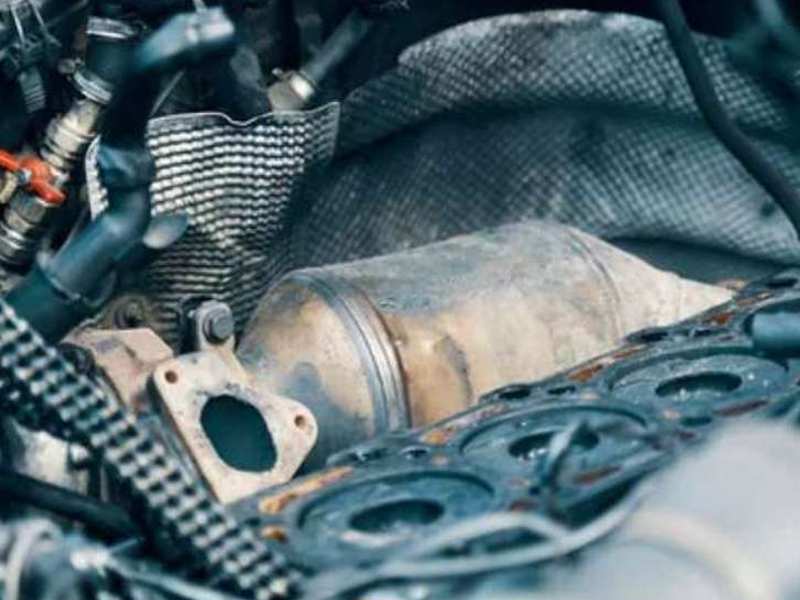
Some people attempt heroic DIY interventions. YouTube tutorials promise you can clean a particulate filter with baking soda, vinegar, or sheer determination. Most of these efforts are about as effective as trying to unclog a bathtub with a toothpick. Professionals will tell you the truth: proper regeneration and occasional professional cleaning are the safest bets.
When the Soot Trap Strikes Back
Imagine ignoring your soot trap for months. You think nothing is happening, but in reality, your car is slowly building resentment. One day, you start the engine, and the vehicle behaves like it just had a double espresso. Warning lights flash, the throttle feels sluggish, and you are suddenly convinced your car is auditioning for a horror movie.
This is the DPF filter’s dramatic way of saying, “Notice me!” What most drivers do not realize is that a clogged filter affects performance far beyond mere warning lights. Fuel efficiency drops, acceleration slows, and exhaust emissions spike. In short, your car becomes both grumpier and thirstier, demanding more fuel to compensate for the restricted airflow. It is a recipe for irritation, panic, and potentially empty wallets.
Practical Ways to Keep Your Particulate Filter Happy
The good news is that preventing a DPF disaster does not require mystical rituals or a doctorate in automotive engineering. It starts with a little awareness and some routine maintenance. Driving style plays a surprisingly big role. Short city trips with constant stop-and-go traffic can be the DPF filter’s worst nightmare because it never gets a chance to regenerate. Think of it like trying to read a novel in five-second bursts. Eventually, the story, or in this case the filter, becomes hopelessly tangled.
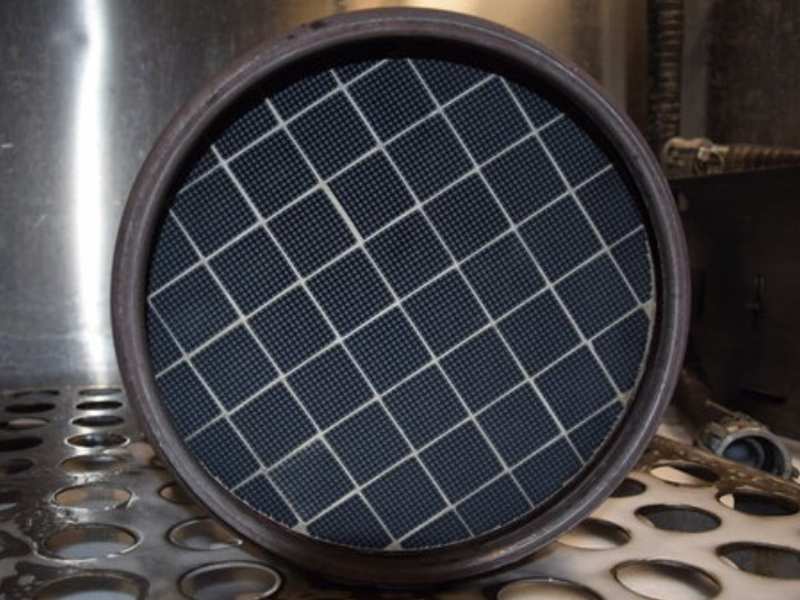
On the other hand, occasional highway drives at steady speeds allow the filter to regenerate naturally, burning off accumulated soot and preventing clogs. Some modern vehicles even have forced regeneration cycles, but understanding how your car handles this process can prevent premature replacements. Think of it as giving your DPF filter a spa day, letting it relax, reset, and perform optimally.
Another crucial tip is using the correct fuel and additives. Bad diesel or incompatible additives can gunk up your filter faster than you can say “emission compliance.” It is worth investing in quality fuel because the cost of ignoring your particulate filter quickly exceeds the expense of doing things right. Clean fuel and proper driving habits are like giving your filter vitamins and exercise. It does not sound glamorous, but it works wonders.
When Professional Help Is Necessary
Sometimes, no amount of careful driving or top-tier diesel can prevent a stubborn clog. That is when professional cleaning or replacement comes into play. Many garages now offer DPF cleaning services that involve removing the filter, using high-pressure techniques, or baking it to burn off soot. It sounds a little like medieval therapy, but it works.
Replacement is usually the last resort because filters are expensive, but it is far better than letting your car’s engine struggle under stress. The cost of ignoring a soot trap often spirals into much bigger repairs. Treat it well, and it will quietly do its job for years; neglect it, and you will discover how creative modern car warning systems can be.
The Humour in Particulate Filter Life
Here is the part where you might laugh a little. If you have ever experienced a DPF-related failure, you understand that cars have an oddly specific way of punishing humans. The moment you dismiss that blinking light, the engine seems to mimic an irritable toddler refusing vegetables. The car groans, hesitation occurs, and a dramatic coughing sound emerges from the exhaust. It is almost cinematic, if it were not so inconvenient.
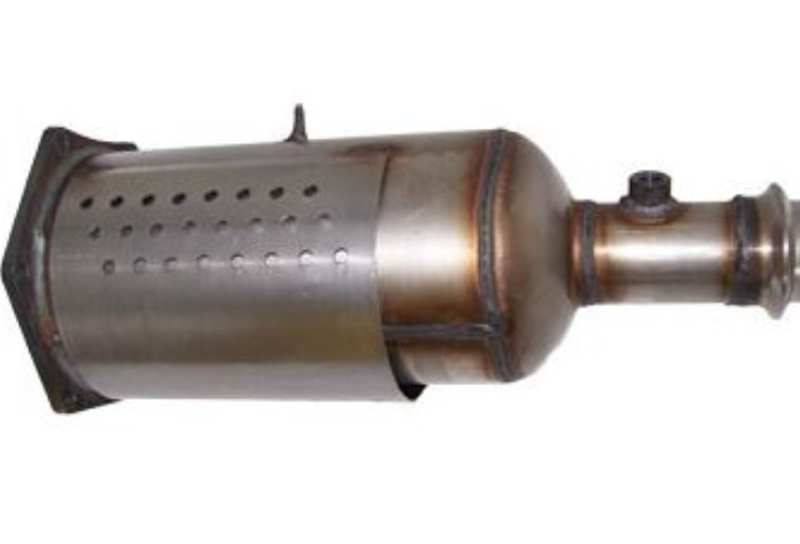
In truth, the soot trap has a strange personality. It demands respect but rarely gets it. It silently performs the dirtiest work under extreme conditions while most of us remain blissfully ignorant. This humble component deserves a nod, perhaps even a polite thank-you the next time you open the hood.
Final Thoughts
Even though your particulate filter is small, innocuous, and hidden from your prying eyes, it is one of the most essential components of your diesel car. Once you are aware of the nature of your particulate filter, drive your car intelligently, and sometimes take it to a professional, your small, but trusty, sidekick will live a long, healthy, and fruitful life. Thus, the next time your car gives you a reminder that you are supposed to take it for a checkup, don’t forget that your soot trap has feelings too, and it might, just might, choose to make a scene in the worst way imaginable. Take care of your car, and your DPF filter won’t even make its presence felt.