
Car parts are way more fun than most people give them credit for, but only once you start looking at them as the quirky cast of characters they really are, rather than mysterious metal things. If you have ever walked into a garage and felt like every nut and bolt was silently judging you, or you have stared under a hood pretending to know what you are doing, then you understand that vehicles have personalities; they just tend to express themselves through rattles, clunks, and that dramatic dashboard light that waits for the least opportune time to appear.
Discovering that the once intimidating world of mechanical bits can actually be humorous is curiously comforting. When people talk about cars, they often refer to things such as the figures on horsepower or fuel efficiency, but the genuinely interesting stories lie in the tiny roles each component plays. Imagine if every part of your car had a diary. The spark plugs would bellyache about their exhausting schedule. The alternator would demand appreciation for shouldering the electrical load of a small household. The air filter would be bitter about having to inhale dirt for a living. All of a sudden, it is all kind of relatable.
The Undercover Life of Car Parts
If you could peek into the daily routine of the average vehicle, you’d probably find a chaotic workplace where every part feels integral to company operations. Humans argue whose job is harder, but that humble brake pad might argue it lives the most stressful life of all. Every single day, the brakes are to perform flawlessly, utterly without applause. The work under pressure, literally and metaphorically, and nobody thanks them for it unless something goes wrong. It’s just the opposite of being a celebrity chef.
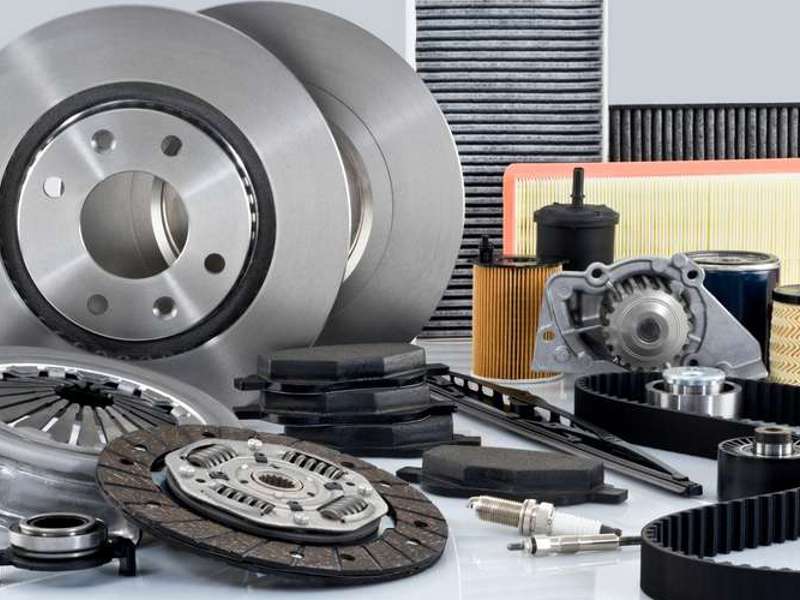
Some are not only hardworking but also a little dramatic. For instance, the radiator thinks it’s the emotional support system of the car. If the engine overheats, it is there-calm, soothing-it down with cool thoughts, stopping a meltdown. Then, there is the engine itself, which is the diva of this whole operation: burning fuel, demanding to be petted regularly, and making sure everyone can hear it running the show. In the background, the water pump keeps doing what an assistant would do without pay. There really is no justice.
Among all these hardworking pieces, there are others that do spend most of their time observing. The exhaust system can be likened to a writer who observes everything the engine does and writes its thoughts down in the form of varying notes and smells. Some drivers treat exhaust noise as a form of self-expression, which means that some vehicles sound like monks meditating, while others sound like a grumpy bear who has just been awoken from winter slumber.
This is the point at which one would expect a serious explanation of how it all syncs up in harmony. Instead, it is infinitely more amusing to consider your car as a teeming neighborhood: The car battery is the good neighbor who always has jumper cables. The headlights are the overly friendly ones who say hi to every object in front of them. The windshield wipers are the gossips who just cannot stop whispering every time it rains. And, well, the horn is the neighbor who overreacts to everything.
Second mention: The best thing is that all these parts of a car form a community that works pretty well unless somebody forgets about maintenance.
When Machines Misbehave
There are days when cars wake up and choose chaos. Nothing technically breaks, but everything is just a little bit off. The steering wheel gets moody, the idle gets jittery, and the dashboard lights are like a Christmas decoration with a questionable electrical connection. It’s almost like your vehicle is reminding you that even machines can have personalities.
You might have noticed how a car picks just the right comedic timing to develop a noise. It never happens at home or next to a mechanic. It always happens on a date, on a job interview day, or in the middle of your peaceful drive when you are singing at the top of your voice loudly enough to scare the wildlife. This mysterious rattle starts off with your escalating concern and your passengers optimistic suggestions like, Perhaps it is nothing, or I am sure it will fix itself. Spoiler alert. It never fixes itself.
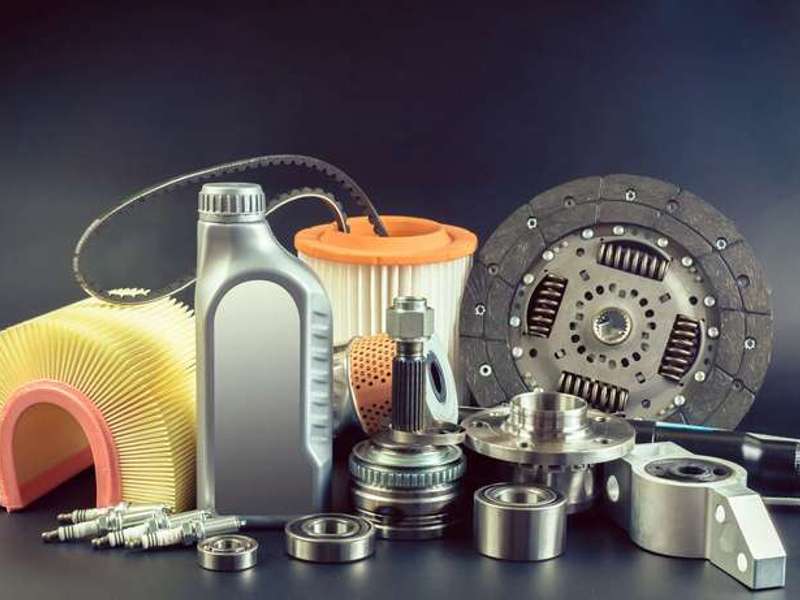
Third: The moment that strange noise starts, you gradually begin to wonder which parts of the car have chosen to stage a rebellion and whether they held an underground meeting the night before.
Even more impressive is the way cars speak their needs through the language of lights. There’s no gentle way a dashboard can say that something is sort of wrong. Instead, it uses alarming symbols that just pop up out of context. A little orange icon will light up, and you start panicking because it’s either a minor sensor glitch or impending catastrophe. The mystery adds excitement, or so they say.
Usually, the reality is less sensational. Your car just wants a little attention. Perhaps the tires want more air. The engine may want fresh oil. The fuel cap may want to be tightened, like a toddler who demands a hug. Once you recognize that your car is a needy pet with metallic fur and significantly more expensive medical bills, maintenance gets a little easier.
A New Appreciation for Rolling Companions
It’s easy to forget how many stories your car collects over time. Road trips, late night drives, songs sung terribly off key, fast food wrappers that mysteriously appear despite your promise to keep the interior clean. Every bump and curve sticks in the memory of your rolling companion, even if you are too busy to notice.
With all its car moving parts working in concert, your vehicle is a perfect meld of utility, personality, and the occasional dose of mischief.
The next time you pop the hood or schedule a service appointment, think of it as visiting a group of oddly charming coworkers who rely on you as much as you rely on them. They may not speak in words, but they communicate through sounds and performance, with dramatic warning lights sometimes. The more you understand them, the more enjoyable and less intimidating your automotive adventures become.
Cars have quirks, just like people do. Some start right up in the morning. Others need to be coaxed. Some are smooth and quiet. Others announce their presence like a parade. You develop a relationship with your car, not just because you need it, but because you know its ways. And once you learn to find the humor in its little antics, you no longer think of maintenance as a chore, but rather as caretaking.
Drive curiously, listen patiently, and just enjoy the quirky comedy every time the engine starts. After all, your journey is only possible because of your hardworking car parts.