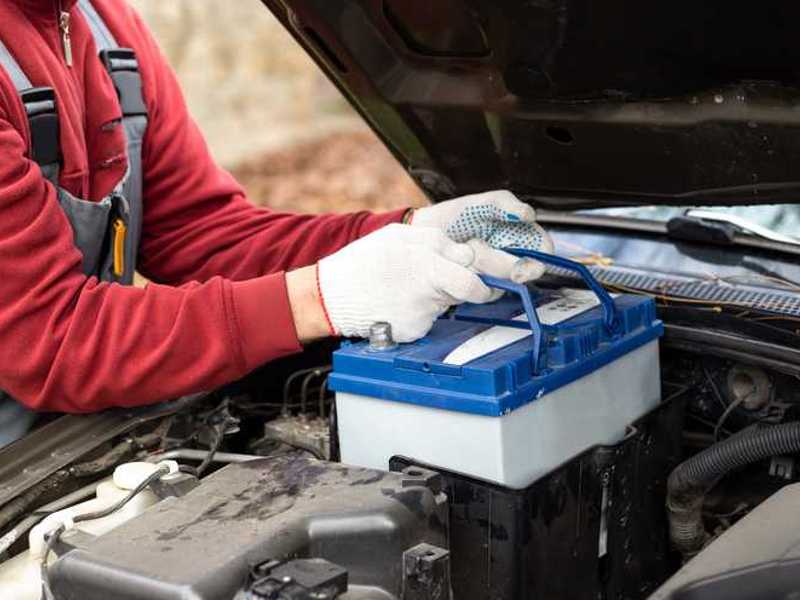
Not a great start to the day, and adding insult to injury, you have just found out that your car battery is staging a peaceful non-violent protest against your entire existence. add to that the fact that a very important meeting that may dictate your entire professional future, you are already late for this meeting; not just that but you burned your toast, your coffee is lukewarm, and your left sock is falling down your shoe. All of this
Now you turn the ignition key with complete optimism despite what has just happened to you prior to this event, and the only thing that happens is a really horrible sound that indicates that your car is having difficulty getting over the hump.
It is a slow, pathetic click that signals absolute betrayal. Your vehicular companion is dead. More accurately, the heavy black box hidden beneath the bonnet has chosen this exact moment to cease its earthly functions.
The Psychology of Silent Vehicular Sabotage
We like to believe our vehicles possess a mechanical soul, a loyal disposition that mirrors a faithful golden retriever. The engine roars to life when summoned, the windscreen wipers clear our view, and the heater warms our toes on a frosty January morning. However, this perspective completely ignores the true mastermind behind the operation. The power source does not care about your deadlines. It does not care that you have a flight to catch or that you are currently stranded in a supermarket car park with three tubs of melting ice cream.
The psychological profile of this specific automotive component is remarkably similar to that of an unhelpful cat. It occupies a warm, cozy spot, demands regular attention, and will entirely ignore you when you require its assistance the most. Because you shut off the engine and listened to the radio for seven minutes, it sits in judgment and gradually depletes its own resources out of pure resentment.
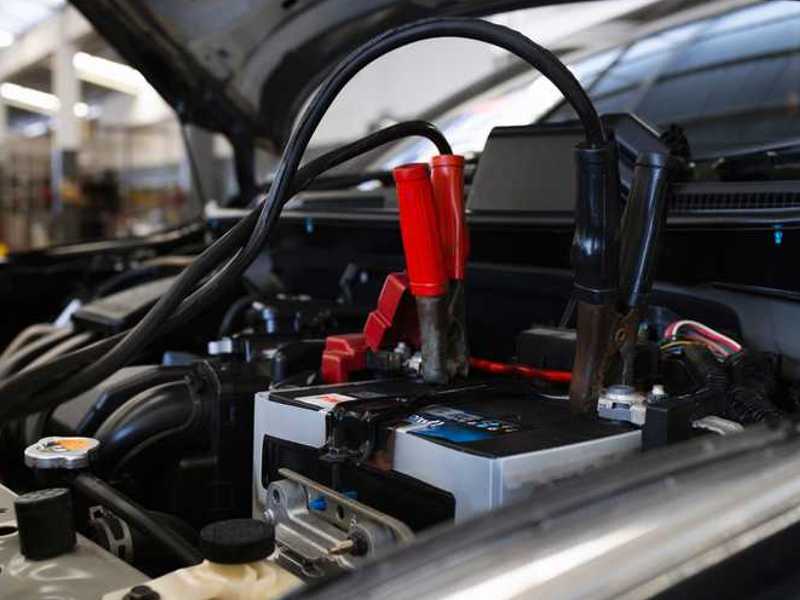
Billions of pounds are spent by automotive engineers creating heated steering wheels, lane departure alerts, and other cutting-edge safety systems. However, a plastic tub containing sulfuric acid and lead plates still has complete control over the entire multithousand-pound apparatus. You are legally reduced from a contemporary driver to a dejected pedestrian carrying a plastic bag if that chemical soup decides to take a vacation.
Signs Your Car Battery is Quietly Quitting
When your car needs the brake pads changed, you usually get a loud noise to let you know about it. The same goes for your car exhaust system, which tends to make a noise like an aftermarket exhaust on a modified Honda hatchback when it is done. Your car’s electrical system doesn’t give you a simple warning. It will give you subtle hints over a period of time, none of them good, which you will eventually ignore until it’s too late.
• Slow Starter: When you crank over your vehicle’s engine, it turns over with the same enthusiasm as that of a teenager being dragged out of bed on a Monday morning. It feels heavy, slow to crank, and a little annoyed.
• Creepy Dashboard: When you start your vehicle, the dashboard lights flicker like a B-grade horror movie. The radio will lose all of its presets, and the clock will reset to 12:00, making you feel like you travelled back through time.
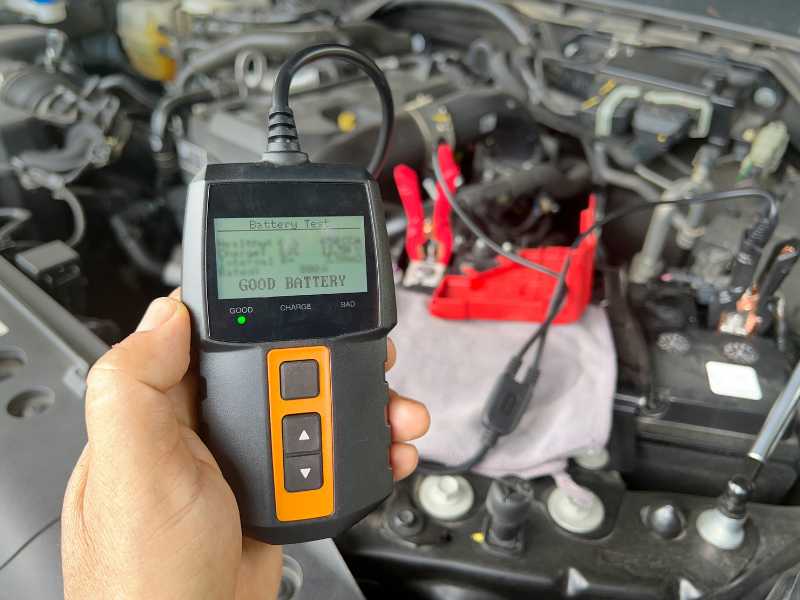
• The Protest of Your Driver’s Window: When you attempt to roll up your driver’s side window, it takes so long that you feel as though it will take just as long as constructing a medieval cathedral. As the window rolls up, the rain starts to come down, and with each second you are praying that the window will reach the top of the window frame before the rain begins to pour into your vehicle.
If you notice any of these symptoms, the absolute worst thing you can do is continue to pretend everything is good. Ignorance is bliss until you find yourself standing in a puddle at a service station, asking a stranger named Dave if he happens to possess a set of jumper cables.
The Art of Survival and Prevention
Preventing this electrical treachery requires a basic understanding of what makes the unit miserable. Extreme temperatures are the primary catalyst for automotive electrical failure. While the cold grip of winter thickens the engine oil, requiring the unit to work twice as hard to turn the engine over, the scorching summer heat gradually evaporates the internal liquid components. It is a terrible system that ensures you are vulnerable during both major seasons.
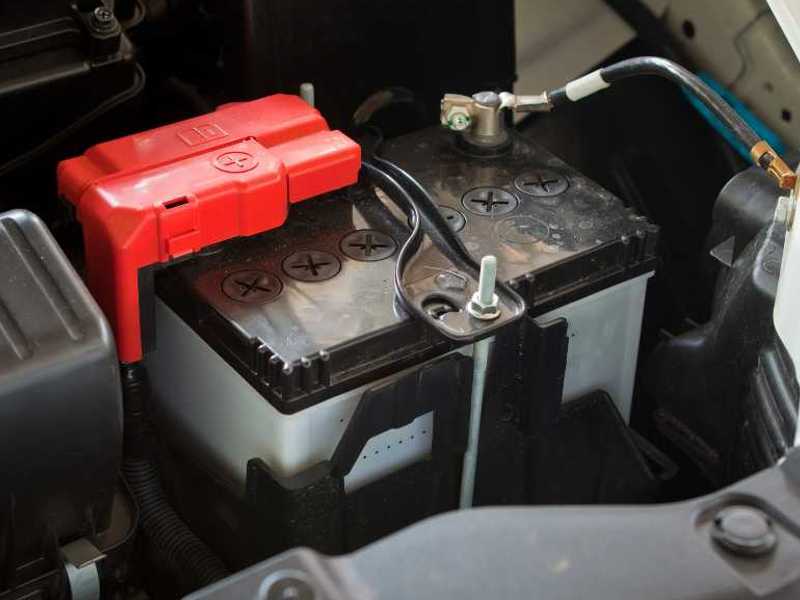
The only tool you have in this attrition struggle is routine maintenance. You have to check the terminals for a blue-green, crusty material that looks like a botched science project. During your travels, the alternator is unable to adequately recharge the system due to this rust acting as a barrier. This mess can be cleaned up with an old toothbrush and a straightforward solution of bicarbonate of soda and warm water. Although it is a humiliating duty, it is much better.
Furthermore, short journeys are the ultimate enemy of longevity. If you only drive two miles to the local shop to purchase a pint of milk, the alternator never receives enough time to replace the energy used to start the engine. You are essentially operating a financial deficit, withdrawing twenty pounds from an ATM while only depositing a fiver. Eventually, the bank account runs dry, and you are left stranded outside the chemist.
A Cruel Lesson in Electrical Mortality
There is a distinct biological cycle to this specific component. It arrives in your engine bay clean, shiny, and full of youthful vigor. It promises a lifetime of quick starts and bright headlights. Then, around the three-to-five-year mark, a midlife crisis occurs. The internal plates begin to degrade, sediment collects at the bottom of the casing, and an internal short circuit becomes inevitable.
When the final moment arrives, it does not happen gracefully. It will occur when you are twenty minutes late for a dentist appointment or when you are wearing your finest coat. You’ll recognize that a box of chemicals has outwitted you when you hear that last, heartbreaking click. You’ll sigh deeply, glance down at the steering wheel, and acknowledge that the roadside recovery service now owns your morning.
We must treat this temperamental component with the suspicious respect it thoroughly deserves. It is an unstable worker that is always searching for a reason to quit their employment; it is not your friend. Don’t take it for granted the next time you turn on your key and the engine starts right away. Because your car battery will be dead tomorrow morning, take a moment to admire the delicate chemical wonder taking place beneath the hood.